
How to Write a Homepage That Actually Converts Visitors Into Clients
Updated: Oct 20, 2025

Table of content:
Why Most Homepages Fail
The first words on your homepage are your first and maybe only chance to win a client. Most business owners know this, but they still struggle with what to actually write. We learned this the hard way a few years ago. At the time, we were living in a caravan, spending months at a time exploring different European countries as digital nomads with two young businesses. Without any local reputation or familiar faces to vouch for us, we had to get really good at introducing ourselves to complete strangers through our website.
We realised how important the homepage is. It's our handshake with people who've never heard of us. Every single word has to count.
So We researched countless highly converting websites, and saw that they all use a simple and effective formula. Here's what we learned about creating homepages that actually convert visitors into clients
Clarity wins clients. Cleverness just confuses.
Most visitors decide within seconds if your site is relevant to them. Studies show you have about 8-10 seconds to grab their attention before they click away.
So what should you do? Be clear. Tell them right away:
- Who you are
- What you do
- How you can help them
Lets understand how to do that.
The 3-Part Homepage Hero Formula
Your homepage hero section (the first thing visitors see) needs three main components: a headline, a paragraph, and a call-to-action button. Each has a specific job to do.
💡 Quick Note: This post focuses on the writing part of your hero section. Most websites should also add a compelling visual, like a picture or an illustration. We'll talk about that in a future post.
1. The Headline: Focus on the Outcome
Your headline should emphasize the result your clients get, not what you do. People don't buy services – they buy outcomes.
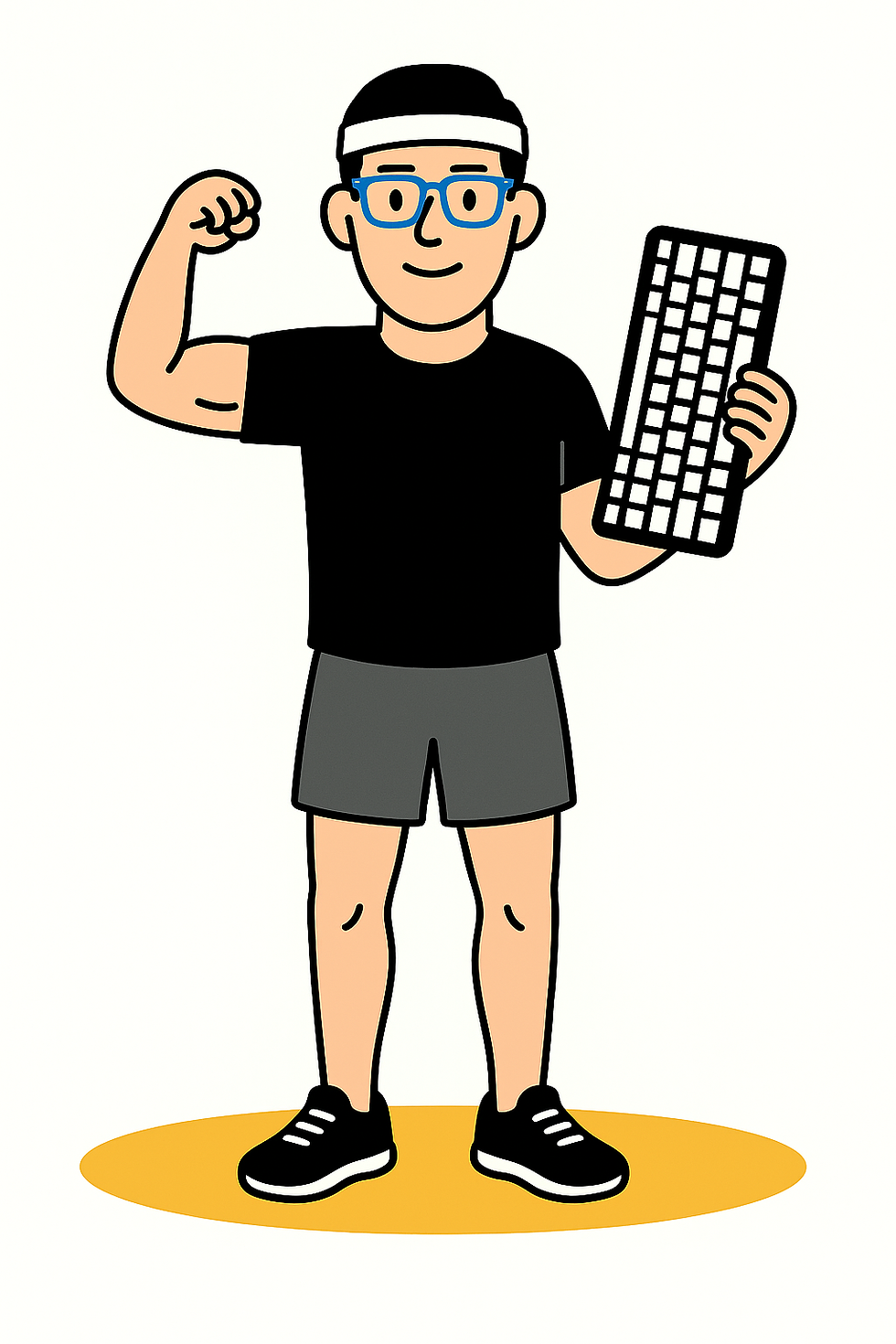
For example, on a fitness instructor website:
Instead of: "Professional Personal Training Services"
Write: "Feel strong and energized with our personal workout plans"
The second headline works because it speaks directly to what the client wants: to feel strong and have energy in their life. It's about them, not about you. But what if your potential clients don't even know they need your service? In that case, your headline should focus on the problem they DO recognize, not the solution they don't know exists yet.
For example, a tax attorney shouldn't write "Professional Tax Planning Services" but rather "Stop overpaying taxes every year." People know they hate paying high taxes – they might not know tax planning can help them.
More examples:
A Business consultant should write: "Help your team get more done in less time" (not "Business Efficiency Consulting")
Web designer: "Get a website that actually brings you customers" (not "Professional Web Design Services")
Therapist: "Find peace and clarity in your daily life" (not "Licensed Mental Health Counseling")
🎯 Quick Tip: If you offer multiple services, pick the one most people come to you for, or the one that solves the biggest problem. You can mention your other services elsewhere on the page, but your headline needs to be focused.
2. The Paragraph: Your Unique Value in 1-2 Sentences
This is where you show your unique selling point and explain exactly how you help. Keep it short – most people won't read long paragraphs on a homepage.
Your paragraph should include:
1. Who you are (briefly)
2. Who you help (your target client)
3. How you help them (your unique approach)
Let's go back to our fitness instructor example. If his unique selling point is offering short workouts at home with no equipment, he would write:
"I'm a certified fitness coach helping busy professionals build strength and energy with short, effective workouts. No gym or equipment needed."
This works because it's specific. "Busy professionals" tells you exactly who this is for. "Short, effective workouts" and "no gym or equipment needed" address the main barriers people have to working out.
Another example for a business consultant:
"I help small business owners identify what's actually growing their business and eliminate everything else. Most clients free up 15+ hours per week for strategic work."
Notice how both examples include a specific benefit or result – this makes your promise more believable.
Don't know what makes you unique? Think about:
What specific type of clients do you work with most?
What's the main problem you solve that others don't?
What do your current clients say about why they chose you?
What's your approach or method that's different?
3. The Call-to-Action: Invite, Don't Sell
Your CTA button doesn't have to be pushy. In fact, the best ones feel like invitations rather than sales pitches.
Instead of: "Buy Now" or "Sign Up Today"
Try: "Book a Free Consultation" or "Let's Talk About Your Goals"
The key is to make the next step feel natural and low-pressure. People are more likely to click when they don't feel like they're being sold to immediately.
Good CTA examples:
- "See How We Can Help"
- "Get Your Free Strategy Session"
- "Let's Discuss Your Project"
- "Start Your Transformation"
Why This Formula Actually Works
Most websites fail because they try to say everything at once, or they try to sound too clever. They list all their services and overwhelm visitors with options.
This became really clear to us when we started working with clients. We discovered that the homepage was often the page that scared them most to write. Many business owners know their work inside and out, but they struggle to describe what they do simply. They worry about sounding either too boring or too emotional.
That's when we realized how valuable those nomadic years had been – we'd been forced to perfect this skill out of necessity. Now we could help our clients find their clear voice too.
This 3-part structure works because it matches how people make decisions online:
1. They scan first – your headline catches their attention
2. They evaluate quickly – your paragraph tells them if you're relevant
3. They decide fast – your CTA gives them an easy next step
The key point is that when someone lands on your homepage, they're usually asking one simple question: "Can this person help me with my problem?"
Your job is to answer that question as quickly and clearly as possible.
Common Homepage Mistakes to Avoid
Using vague headlines: "Welcome to Our Company" tells visitors nothing about what you actually do.
Writing too much: Long paragraphs get skipped. Keep your main message to 1-2 sentences.
Weak or confusing CTAs: "Learn More" doesn't tell people what they'll actually get. Be specific about the next step.
Focusing on features instead of benefits: "We use advanced methodologies" is less compelling than "You'll see results in 4-6 weeks."
Trying to appeal to everyone: If your headline could work for any business in your industry, it's probably too generic.
What About Building Trust?
Your headline and paragraph get attention, but people also need to trust you before they'll contact you. To build trust on your homepage, you should include these elements below your hero section:
- List your services
- A few client testimonials or reviews
- Your credentials or certifications (briefly)
- Logos of companies you've worked with
- Years of experience helping your target clients
Don't put this information in your headline – use it to support your main message.
Test Your Homepage Right Now
Check your current homepage against this 3-part formula:
1. Does your headline clearly state the outcome clients get?
2. Does your paragraph explain who you help and how in 1-2 sentences?
3. Does your CTA invite people to take a clear, specific next step?
If you answered "no" to any of these questions, you've found your starting point.
The Bottom Line
A converting homepage doesn't need fancy design or clever copy. It needs clarity. When visitors understand immediately what you do and how you can help them, they're much more likely to stick around and eventually become clients.
This 3-part structure has been tested across thousands of websites and different industries. It works because it's based on how people actually behave online – they scan, evaluate, and decide quickly.
Want to know if your headlines really speak to your target audience? Or wondering how to measure if these changes are actually working? We have a detailed guide that walk you through both: A better way to market: Your 5 steps AI prompt Guide
Ready to transform your homepage? You have all the tools you need to do this yourself, but if you want guidance, we're just a click away.



Comments